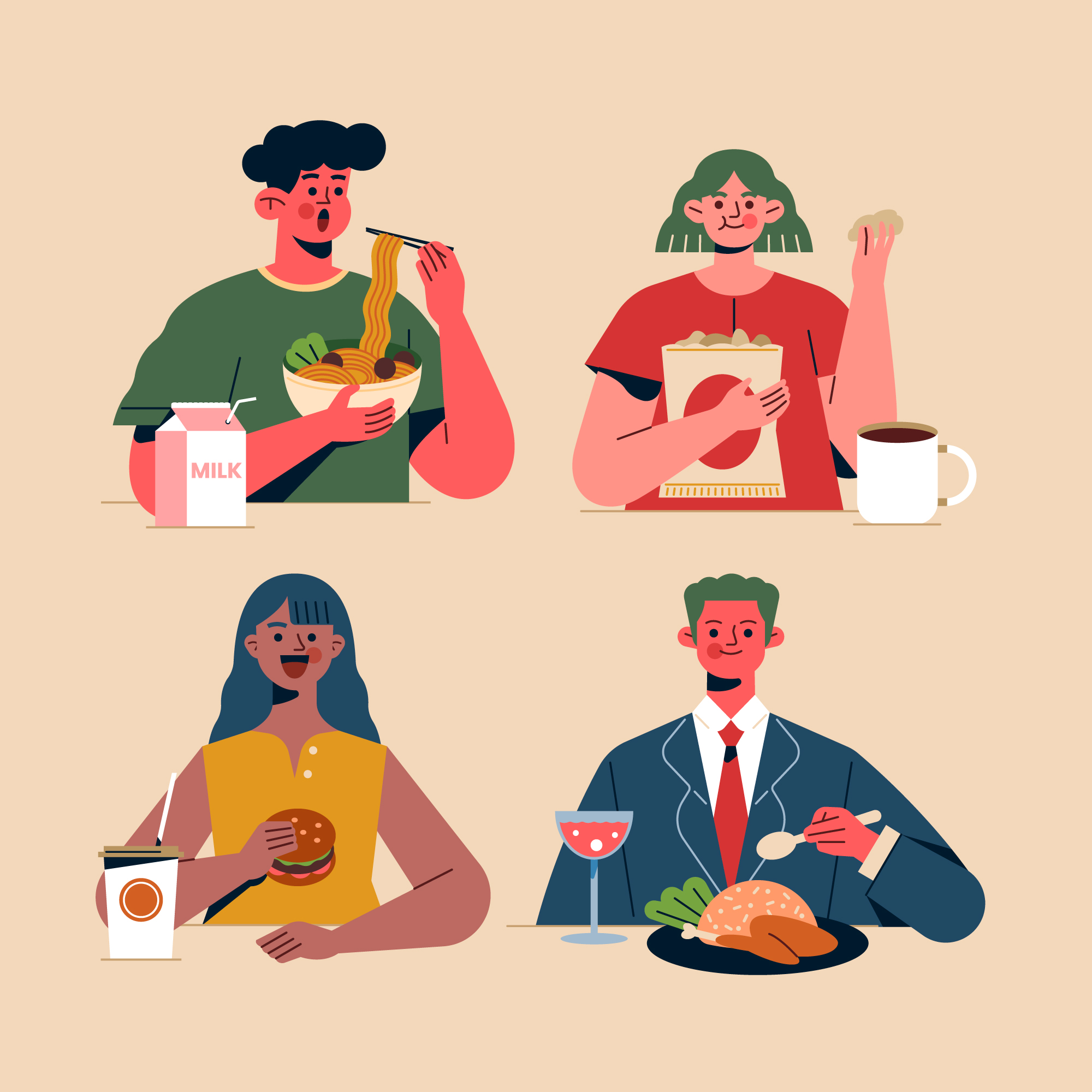
Introduction
Hypothalamic amenorrhea is when a woman who once had a period, but it stopped for at least 3 months. Your brain is in survival mode and shuts down your reproductive organs due to energy deficiency from undereating, overexerting, or too much stress on your body.
Not providing your body with enough food and energy is detrimental to your overall bodily health. Thankfully, there is a fix to this solution, and that is to eat more.
Eat More Than You Think You Need
To regain your period, you must eat in a caloric surplus. Your body has been deprived from energy for such a long time, you’ll need to feed it more energy to get a jump start in reactivating your ovaries.
I know the mental and physical hurdle of eating more is extremely challenging, especially since it’s been ingrained into your brain to eat less. But eating more than you want is necessary. It lets your body know that you’re no longer in starvation mode, lowering your stress levels, and your hormones will start functioning again.
Don’t just eat more “healthy” foods
Recovery requires calorie-dense, nutrient-rich meals and snacks. Increasing the lettuce in your salad won’t cut it. Instead of Greek yogurt, go full-fat! Eat more nuts and healthy oils.
I know it is mentally tough in the beginning, but your body needs these essential nutrients that come in these foods which you’ve deprived yourself of for so long.
The Emotional acceptance
Eating more, especially since you’ve been restricting yourself for a long period of time, can feel terrifying. Fearing weight gain or losing control is normal in this process, but those fears often reflect disordered beliefs. To become the healthiest and best version of yourself, you have to let go of this inner fear that society has inflicted on you and be the version of YOU for your best health.
What NOT to do
Excessive Fiber and Low-Calorie Veggies
Like I mentioned earlier, filling up with empty calories won’t give you the nutrients you need. Volume does not equal quality and nutrients. You need to be in a caloric surplus and eat more calorie dense foods!
Skipping Snacks, Meals, or Entire Food Groups
Don’t purposely avoid carbs, trust me, I’ve been there and done that. In general don’t avoid ANY food groups. Each group gives you different benefits. Also, make sure you provide your body regularly.
Restrictive Dieting or Intermittent Fasting
If you don’t have your period, you have to eat regularly to provide your body with fuel and energy. Fasting or restricting will only prevent your body to recover!
Eating Habits To Do
Eat Regularly
When I was recovering, I constantly ate food. I ensured that I wasn’t fasting for more than 3 hours. Within those times, I made sure to incorporate calorie dense foods such as nuts or a shake!
MORE FATS
Fats are a MUST since they are the foundation in hormone productions. Therefore, I ate a lot of healthy fats such as nuts, avocado, and cheese! Personally, I aim for at least 40g of fat everyday, but everyone is different, just make sure you prioritize it!
Challenge Food Fears
Let yourself have that slice of cake with everyone else. Don’t restrict yourself from foods you once feared and avoid and enjoy yourself more. Life is too short to not enjoy food and connections with people, don’t let body image stop you, you are worth so much more.
Macronutrients that Matter: Fueling the Hormonal Engine
Carbohydrates: Energy Providers
Carbs are extremely important for the brain and endocrine system, it is the best source of energy for your body. To get your period back, starchy, energy-dense carbs such as bread, pasta, rice, potatoes, oats, and bananas will help balance your hormones and activate bodily functions.
Fats: Hormone Production
Fats are essential for hormone production. Your reproductive system lives off hormones, so a balanced hormone will help get your period back. Fats will feed the hormone activation.
- Monounsaturated fats: olive oil, avocado, nuts
- Polyunsaturated fats: seeds, fatty fish, walnuts
- Saturated fats: full-fat dairy, butter, coconut oil, red meat

Proteins: Building Blocks
Protein is extremely important, repairing your muscles and tissues. Some examples would be: meat, fish, eggs, dairy, tofu, and legumes.
Power Up with Nutrient-Dense, Calorie-Rich Foods
You can’t keep avoiding high-calorie foods
I’ve constantly done that before, picking the lowest calories of each food I can find. However, the nutrients from the lower-calorie foods have also been extracted with the calories.
Examples of foods to buy:
- Full-fat dairy
- Nut butters and whole nuts/seeds
- Healthy oils
- Fatty fish
- Starchy carbs
- Red meat and eggs
- Dried fruit & granola
Final Thoughts: Trusting Your Body Through Food
Recovery means you need to TRUST YOUR BODY, and change your mentality. After years of deprivation, you need to eat more to reactivate your system and get it running!
I know this journey is hard, and it probably is more mentally hard than physically. Just know that you are strong and you got this. I was in your shoes once, restricting and caring too much about my weight and measurements, but now I changed my outlook which changed my life completely. If you have any questions or comments, leave it down below!
You’re not alone. And you’re doing an amazing job.

Resources & References
For more information on Hypothalamic Amenorrhea, check out these websites below!
The HA Society – What’s the Best Diet for HA Recovery?
The Dietologist – Eating for Hypothalamic Amenorrhoea (HA)
The HA Society – Tips to Eat More Without The Stress + Meal Ideas
Sarah Liz King – HA Recovery Snack Guide
Holly Dunn Nutrition – Macronutrients and Hypothalamic Amenorrhoea
Nutritionist Resource – 3 Starter Nutrition Tips for HA
Kersten Kimura – Christina’s Recovery Story
Kersten Kimura – Balanced Eating After HA Recovery
Scientific Article – Dietary and Lifestyle Management of Functional Hypothalamic Amenorrhea (PMC)
Comments are closed