Introduction: Why This Question Matters
“Can I get my period back without gaining weight?”
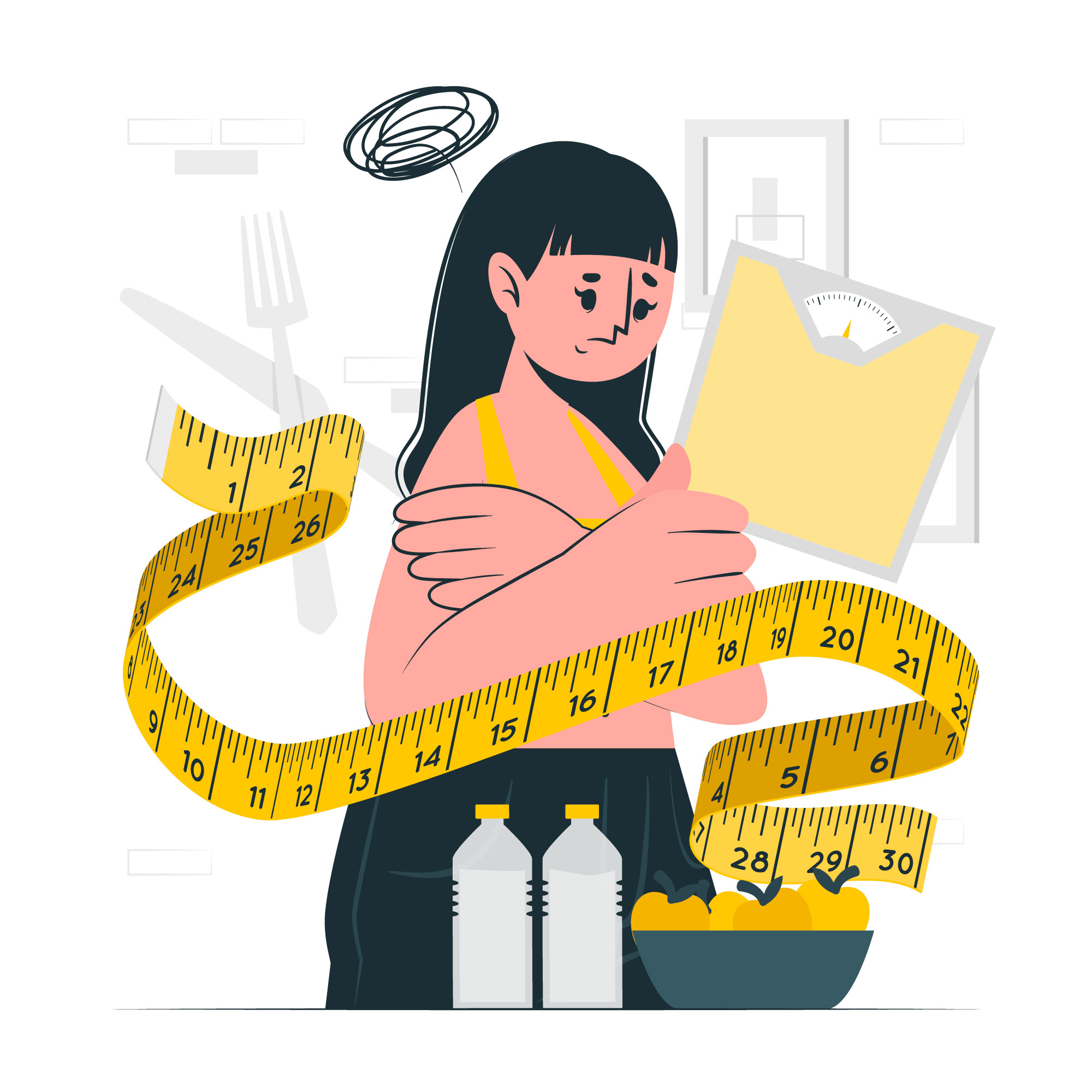
It’s a question loaded with vulnerability, hope, and fear, especially for women navigating a culture that celebrates thinness, productivity, and self-control at the cost of their health. It’s not just a medical query. It’s emotional. It’s personal. It’s deeply tied to body image, identity, and the desire to feel “normal” again without sacrificing hard-earned control over appearance or habits.
But here’s the hard truth: when your body stops menstruating, especially due to stress, under-eating, or over-exercising, it’s not being inconvenient. It’s sounding an alarm.
The clinical term for this condition is hypothalamic amenorrhea (HA), which means your brain has decided to shut down reproductive function to conserve energy. It perceives your environment as unsafe for creating new life, even if you feel healthy or look fit on the outside.
So, can you restore your cycle without gaining weight? The answer isn’t black and white, and it depends on factors like your body fat percentage, how much you’re eating, how much you’re training, and how stressed you are.
Let’s unpack what’s really going on inside your body, and what recovery could look like for you.
Understanding Hypothalamic Amenorrhea (HA)
What is HA and what causes it?
Hypothalamic amenorrhea is a condition where your menstrual cycle stops due to a disruption in signals from the hypothalamus, a region in your brain that regulates hormones, appetite, and stress responses. It most often occurs in response to low energy availability, which can be caused by:
- Underfueling: Not eating enough calories or restricting key macronutrients, especially fats and carbohydrates.
- Overtraining: High-volume or high-intensity workouts without adequate recovery or food intake.
- Chronic stress: Emotional stress, sleep deprivation, or psychological pressure can all tax the hypothalamus.
HA is especially common among athletes, dancers, and individuals with disordered eating, but it can affect anyone, even those who aren’t clinically underweight.

How does it affect your hormones?
The hypothalamus plays a key role in kickstarting your reproductive system. When it senses that your body doesn’t have the energy or safety to support a pregnancy, it stops producing gonadotropin-releasing hormone (GnRH). That, in turn, reduces luteinizing hormone (LH) and follicle-stimulating hormone (FSH), both essential for ovulation and menstruation.
Think of it this way: Your brain is flipping the “off” switch on your fertility to preserve energy for vital functions like heart rate, breathing, and staying alert.
Why do weight and energy balance matter?
Weight gain in HA recovery is often not about hitting a certain number on the scale, it’s about signaling to your body that it is safe and fed. Here’s why:
- Body fat plays a critical hormonal role. Levels below ~17–19% body fat are often insufficient to support regular estrogen production.
- Leptin, a hormone made by fat cells, tells your brain you have enough energy stored. Low leptin = no ovulation.
- Energy availability, the calories left over after exercise, is often too low in those with HA, even if they’re not underweight.
Bottom line: Your period isn’t just a “nice to have.” It’s a vital sign,and when it’s gone, your body is asking for more nourishment, more rest, and more compassion.
Weight Gain vs. Energy Availability: What Really Matters?
What is “energy availability”?
Let’s clear this up: energy availability isn’t just about how many calories you eat, it’s about how many calories are left for your body to function after exercise.
Think of it as a budget:
- You earn (calories in).
- You spend (exercise).
- What’s leftover supports essential functions like hormone production, digestion, and, yes, your menstrual cycle.
When that leftover amount is too low for too long, your body downshifts. Reproduction is the first thing to go.
Low energy availability can happen at any weight, even if you’re in a “normal” BMI range. That’s why the solution is not always about just gaining weight, it’s about restoring the energy surplus your body needs to feel safe.
When is weight gain necessary, and when might it not be?
In many cases, some weight gain is required, especially for individuals who are:
- At or below 17–19% body fat
- Experiencing visible signs of malnutrition (fatigue, low libido, brittle nails, hair loss)
- Chronically under-eating or overtraining
That said, not everyone needs to gain weight to recover their period. Some people, especially those with higher body fat percentages or more moderate activity levels, may recover by:
- Increasing total food intake (especially fats + carbs)
- Cutting back on workouts
- Reducing stress
- Sleeping more
In these cases, it’s less about “adding pounds” and more about shifting internal conditions so your body no longer feels under threat.

Why body fat percentage matters
Body fat isn’t just insulation, it’s a hormone-producing, message-sending organ. If you dip below a certain threshold (typically 17–19% for most menstruating women), the body may suppress ovulation and menstruation to conserve energy.
But everyone has a unique “set point”, a weight or fat range where their body feels safe and stable. That’s why:
- Some recover at a BMI of 21
- Others may need to reach 23–24
- And still others can recover at higher weights, provided energy intake and stress levels improve
Can you recover at a higher weight, if you’re still under-fueled?
In short: No. If your energy intake is still too low, your body won’t get the signal that it’s safe to menstruate, even if your weight is “normal” or high.
On the flip side:
Yes, you might recover without weight gain if your energy availability improves enough (meaning: more food, less stress, smarter training). But this is more common in women who already have higher body fat percentages and are not severely energy deficient.
Lifestyle Shifts That Support Period Recovery (Without Focus on Weight)
If the idea of weight gain feels scary, or you’re unsure whether it’s necessary in your case, focus here: What can I do to give my body what it needs without obsessing over the scale?

Nutrition: Carbs + Fats Are Your Hormone Fuel
- Eat consistently, no long fasting windows or skipped meals
- Include complex carbs (oats, rice, fruit, root veggies) at every meal
- Don’t fear fats, avocado, olive oil, nuts, seeds, full-fat dairy all support estrogen production
- Aim for at least 2,300–2,500+ calories/day, depending on your activity level (yes, really)
The goal is abundance, not restriction.
Exercise: Intensity & Volume Matter
- Dial down intensity, think: walking, yoga, gentle pilates
- Cut back cardio and HIIT, which spike cortisol
- Strength training? Light, low-rep, and not every day
- Take rest days, your recovery is when your body heals
Your period is a sign that your body feels safe. And safety requires rest.

Stress Management: Support the Nervous System
- Get 7–9 hours of sleep consistently
- Try meditation, breathwork, journaling, or therapy
- Say no to overcommitments that drain you
- Consider adaptogens (ashwagandha, magnesium glycinate) under guidance
Stress, physical or emotional, can delay recovery, even if you’re eating enough.
Mental + Emotional Recovery Is Non-Negotiable
If you’re wondering “Why is this so hard for me?” you’re not alone.
Hypothalamic amenorrhea is rarely just about food or fitness. It often stems from deep-rooted fears, perfectionism, and control.
Disordered Eating and Compulsive Behaviors: HA’s Hidden Roots
Even if you don’t have a diagnosed eating disorder, patterns like:
- Fear of weight gain
- Rigid food rules
- Guilt after rest days
- Panic over “imperfect” meals
…are common in HA.
These behaviors signal underlying psychological stress, which continues to suppress your cycle, even when you’re physically eating more.

Therapy, Dietitians & Support Systems Matter
Recovery often means unlearning a lot:
- That thinness ≠ health
- That hunger isn’t weakness
- That rest is productive
This is why a multidisciplinary approach helps:
- Therapists (especially those trained in CBT, DBT, or intuitive eating) to reframe thought patterns
- Dietitians who understand HA and can guide fueling without weight obsession
- Supportive communities (like The HA Society) where others get it
You are not failing because you need help.
You are healing, and that takes more strength than restriction ever did.
Can You Really Get Your Period Back Without Weight Gain?
This is the million-dollar question, and the honest answer is:
Yes, it’s possible. But it’s not common.
When It’s Possible
Some individuals do recover their periods without significant weight gain. This is more likely if:
- You already have a healthy or higher body fat percentage (generally above 22–25%)
- Your energy deficit was primarily due to underfueling or overtraining, not body composition
- You’re able to make big changes to nutrition, stress, and exercise without physical changes
- You’re not deeply entrenched in disordered eating patterns
In these cases, improving energy availability and lowering internal stress may be enough to convince your brain it’s safe to ovulate again.
When It’s Unlikely
If you fall into the following categories, weight gain is much more likely to be necessary:
- Very low body fat (under ~18%)
- Menstrual loss occurred due to intentional weight loss or restrictive eating
- You’ve been missing your period for months or years
- You’ve made lifestyle shifts without results
Your body may need more fat to produce estrogen, more leptin to regulate hormones, and more energy to restart ovulation.
The Gentle Truth
Recovery isn’t a punishment or a binary choice, it’s about reclaiming health.
Whether you gain weight or not, healing from HA means doing what your body has been asking for: rest, nourishment, and care.
Your recovery path is uniquely yours, and you deserve to feel empowered, not ashamed, along the way.
At-a-Glance: Your Recovery Cheat Sheet
Here’s a simple breakdown of what may or may not work without weight gain:
| Recovery Factor | Can It Work Without Weight Gain? | Notes |
| Increased Caloric Intake | Essential | Focus on energy availability, not weight |
| Reduced Exercise | Essential | Especially reducing cardio + intensity |
| Lower Stress Levels | Critical | Cortisol can suppress your period |
| Medical Support | Case-by-case | Leptin or hormone therapy may help some |
| Higher Body Fat % | Possible | Weight gain may not be needed |
| Very Low Body Fat % | Often requires gain | Fat is needed for hormonal function |
What To Do Next
If you’re reading this and suspect you might have hypothalamic amenorrhea (HA), here’s where to start:
- Track your symptoms
- When did your period stop?
- Are you consistently underfueling or overexercising?
- Do you feel fatigued, cold often, or obsess over food or movement?
- When did your period stop?
- Make a doctor’s appointment
- Ask to rule out other causes of amenorrhea (PCOS, thyroid issues, pregnancy).
- Specifically bring up hypothalamic amenorrhea if your provider doesn’t mention it.
- Ask to rule out other causes of amenorrhea (PCOS, thyroid issues, pregnancy).
- Key questions to ask your provider
- Could I have HA based on my history and symptoms?
- What labs or imaging should we run to confirm?
- Should I work with a dietitian, therapist, or specialist?
- Could I have HA based on my history and symptoms?
- Start building your recovery team
- Registered Dietitian (especially one familiar with disordered eating or RED-S)
- Therapist trained in body image, anxiety, or compulsive behaviors
- Medical Provider who takes HA seriously, and doesn’t just prescribe birth control as a band-aid
- Registered Dietitian (especially one familiar with disordered eating or RED-S)

Supportive Resources to Explore:
- Mayo Clinic: Amenorrhea Treatment Guide
- PMC: Leptin as a Treatment for HA
- The HA Society
- Equip Health: Amenorrhea in ED Recovery
- Cleveland Clinic: HA Overview
Final Thoughts: You Deserve a Full Life
If you’ve read this far, pause and take a breath.
You’re not broken.
You’re not vain or weak or irrational for struggling with this.
You’re wise, for asking hard questions and seeking answers.
Period recovery is about far more than cycles. It’s about rebuilding trust with your body, learning to rest without guilt, and choosing to live a life not ruled by restriction.
Have you struggled with HA? Wondering if recovery is possible for you — without weight gain or with it? Do not worry, I was in the same situation as you a few years ago.
Drop your story, fears, or questions in the comments — your voice could be what helps someone else feel less alone.
4 responses to “How to Restore Your Period Without Weight Gain (Is It Possible?)”
-
so amazing and touching while speaking of the most important parts of recovery truly showing the reality of realizing and listening to your body and its needs.
-
Thank you so much Riley!! I really appreciate it <3
-
-
this is really helpful! ty
-
Of course!! I glad this helped you!
-


Comments are closed