Introduction
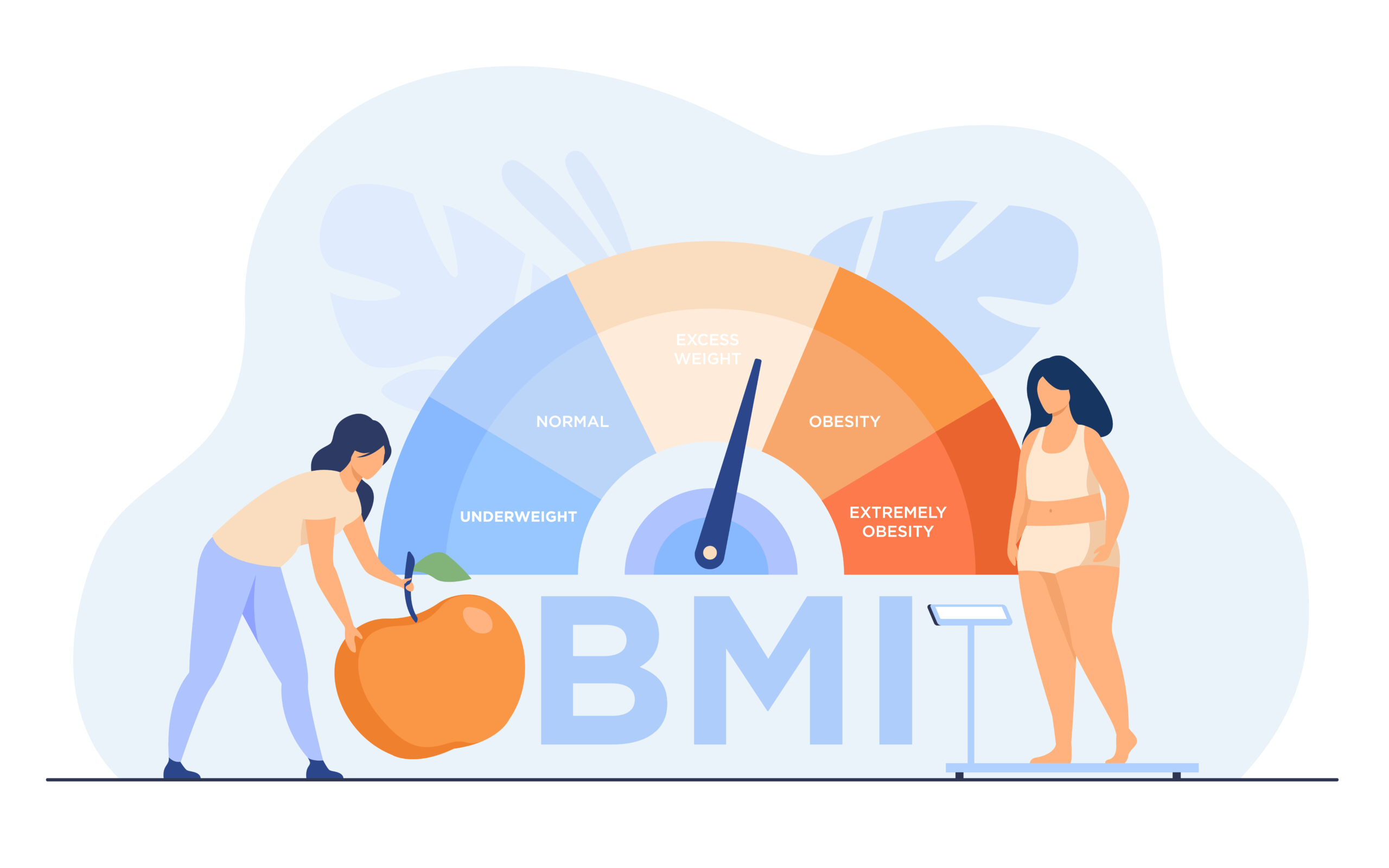
Body Mass Index (BMI) is one of the most common and quickest methods to determine your health status, putting you in the “underweight,” “normal,” “overweight,” or “obese” categories. The only data it needs is your height and weight.
There are some important elements that the BMI machine doesn’t consider in their calculations, such as fat distribution, ethnicity, or even age. All of which will cause misclassification and self insecurities.
BMI can be Inaccurate and Misleading
No other variables considered
The number BMI presents doesn’t give you information on what is done to come to that conclusion. It doesn’t consider your body composition or your fat-to-muscle ratio. For example, an extremely buff guy would be considered “obese” when he’s actually fit.
Fat Distribution isn’t considered
The human body has two different fats: visceral fat and subcutaneous fat. Visceral fat is the fat that surrounds your organs, while subcutaneous fat is the fat under your skin. BMI, however, doesn’t distinguish these two.
Having greater visceral fat can lead to cardiovascular problems and other serious health issues, though, the BMI doesn’t considers this and ignores it.
Everyone is Different
The BMI is “universal” for everyone to use, it is a one size-fit-all device to determine health. This would work if everyone is genetically the same, and live the same way, however, we don’t.
- Age: As people get older, they lose muscle mass. This can lead to an overestimate of muscle to fat ratio, since the elderly has more fat distribusion.
- Sex: Women typically carry more body fat than men, which is compleetly normal and biological..
- Ethnicity & genetics: Each ethnic groups has a different threshhold for each category (ex. Overweight, underweight) in the BMI.
All of these factors misrepresents the ACTUAL human health factors that the BMI oversimplifys.

It’s a Weak Predictor of Health
BMI does not have the ability to determine the proboaility of heart disease, diabetes, or even lifespan due to it’s missing elements in their calculation (fat, muscle, race).
So while BMI may be quick and easy, it often misses the bigger picture of metabolic health.
Conclusion
BMI is indeed very convenient and your PE teach most likely would like their students to use it. However, if you want an accurate estimate of your health and body do NOT rely on it.
It ignores body composition and fat distribution. It also doesn’t take into consideration on gender, age, and ethnicity. Therefore, BMI fails to account for human complexity.
This doesn’t mean that the BMI is completely false, but just keep in mind how many important factors there is to consider in ones health. People should also take other health test such as body compositions and go to professional doctors.
Do NOT let a number like the BMI define your worth and who you are. You are so much more than a number on a scale. I was once fixated on the way I looked and hopelessly chasing unrealistic standards (more about my journey). Your body was never the problem; it is a home to be cared for. You deserve love no matter your size. 💕
🔍 Articles & Studies Cited
- Medical News Today: Why BMI is inaccurate and misleading
- AMA: Use of BMI alone is an imperfect clinical measure
- NCBI: The Science, Strengths, and Limitations of Body Mass Index
- URMC: Is BMI Accurate? New Evidence Says No
- MedRxiv: Problems with using BMI for population inference
- Iowa Radiology: Why BMI Isn’t Enough
Comments are closed