What is Hypothalamic Amenorrhea (HA)?
When you don’t have a period for three months or more, and you’ve received a period before, it is classified as secondary amenorrhea. Secondary amenorrhea can be caused by many things, it is not something to be taken lightly.
It is essential to know the cause of secondary amenorrhea. Your menstrual cycle is intimately connected to your health. If you notice disruptors, it could mean there’s something wrong regarding hormones, nutrition, stress, or illness.
If you’ve never had your period at all and you’re 15, then you have primary amenorrhea, which is not the same as secondary amenorrhea. There might be some overlapping issues that are the same; however, you should consult a professional doctor instead.
Why Exercise Impacts HA
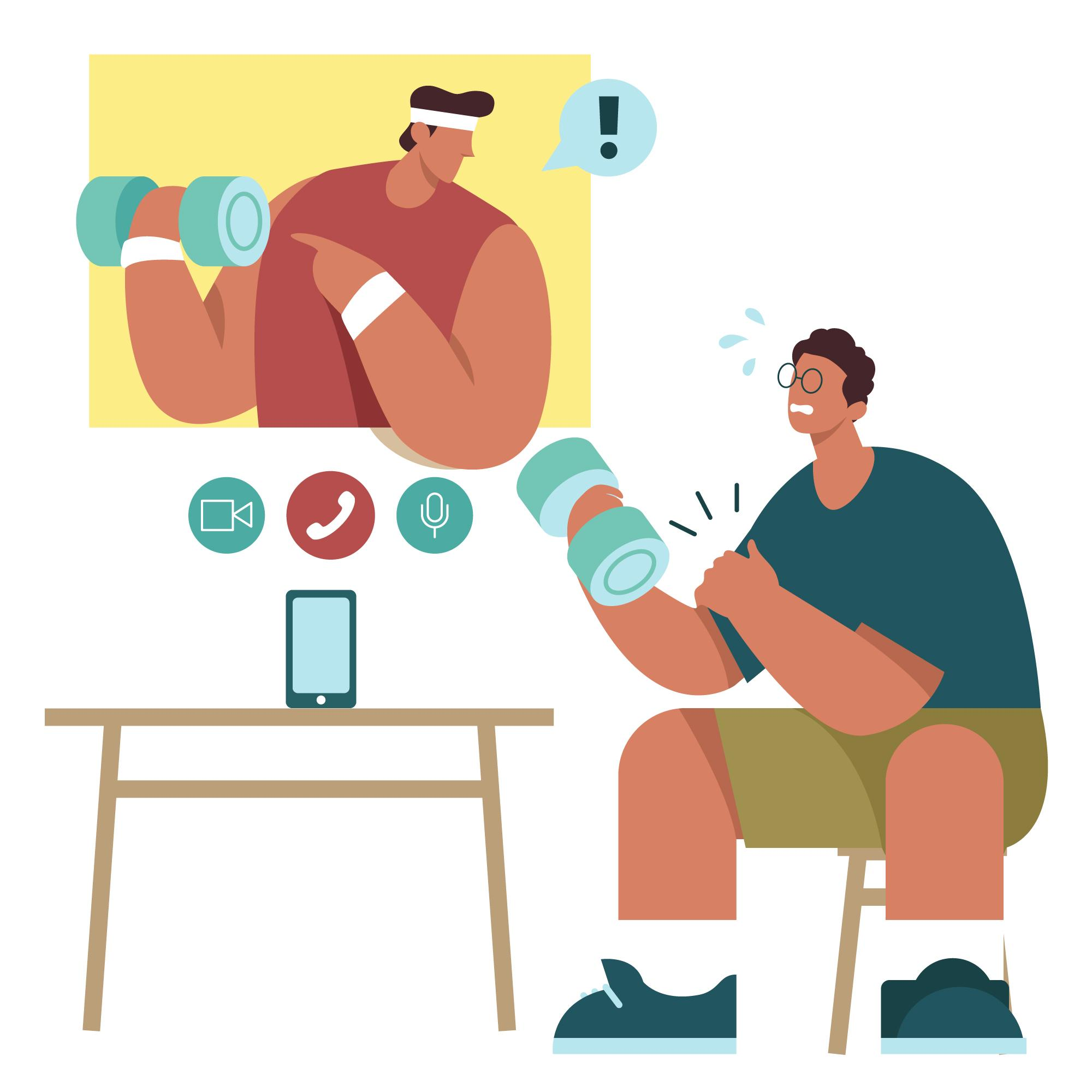
Exercise is indeed extremely beneficial to you. But if you are exercising at high intensity and undereating, that will put you off your period. Exercise is a STRESS on the human body; it can increase your cortisol (stress hormones) if it is done excessively. That being said, undereating also increases your cortisol. The combination of the two will lead to your body going into “fight or flight mode,” causing period loss. In other words, due to the energy deficiency, your reproductive organs have shut down in order to conserve and operate your other essential organs.
Do You Have to Quit Completely?
The short answer is not necessarily. It is highly recommended to stop doing high intensity workouts like long runs, heavy lifting, or HIIT workouts. These high intensity physical exertions will increase your body’s cortisol a lot more than low intensity workouts, keeping your body out of function. Therefore, doing gentle and restorative movement, like walking, yoga, or stretching, can still fit into recovery for some people. The key point is to REDUCE stress upon your body and give it time to heal.
The question whether or not to completely stop varies from person to person. For example, someone who is eating well, three meals a day plus snacks, could most likely continue to exercise with just reduced intensity. In contrast, if someone is undereating, it is best if they completely stop exercising.
How to Tell if Exercise is Holding You Back
- Still no period after months of eating more (caloric surplus).
- Feel fatigued or irritable even after rest days.
- Workouts leave you more drained than energized.
- Recovery feels “stalled,” with no real signs of hormonal shift.

Alternatives During Recovery
Now that you understand why exercise can be the element holding you back in your recovery, relate it to your personal situation. As long as you are eating more, exercising in moderation won’t be extremely harmful to you. Replacing your morning runs with morning walls or yoga can be a great alternative during recovery. These kinds of movement calm the nervous system rather than stress it, which helps signal safety to your hypothalamus.
Nourishment and rest play a huge part in recovery, so ensure you are doing these simultaneously. Think of this phase as an investment: you’re laying the foundation for long-term strength, resilience, and a healthier relationship with movement.
Conclusion
Stopping or exercising less doesn’t mean you are being “lazy” or “losing yourself”, it means that you are taking control of your body and know what is best for your current AND future health. You need to realize that more exercise does not mean you are healthier, but rather that you are doing more harm. I know this change is very mentally difficult, trust me, I felt the same way before. But restoring your health is your top priority, and you are worth more than what a scale says.
Extra Resources
- The HA Society: Intuitive Fitness for HA Recovery
- PMC: Dietary & Lifestyle Management of Functional HA
- Today’s Dietitian: Understanding HA
- Overcoming HA: A Holistic Recovery Guide
- Endocrine Society Clinical Practice Guidelines
Comments are closed