Should I exercise with hypothalamic amenorrhea?
Understanding the Question: Why It Matters
What is Hypothalamic Amenorrhea (HA)?
When you don’t have a period for three months or more, and you’ve received a period before, it is classified as secondary amenorrhea. Secondary amenorrhea can be caused by many things, it is not something to be taken lightly.
It is essential to know the cause of secondary amenorrhea. Your menstrual cycle is intimately connected to your health. If you notice disruptors, it could mean there’s something wrong regarding hormones, nutrition, stress, or illness.
If you’ve never had your period at all and you’re 15, then you have primary amenorrhea, which is not the same as secondary amenorrhea. There might be some overlapping issues that are the same; however, you should consult a professional doctor instead.
Exercise, Stress & Your Cycle
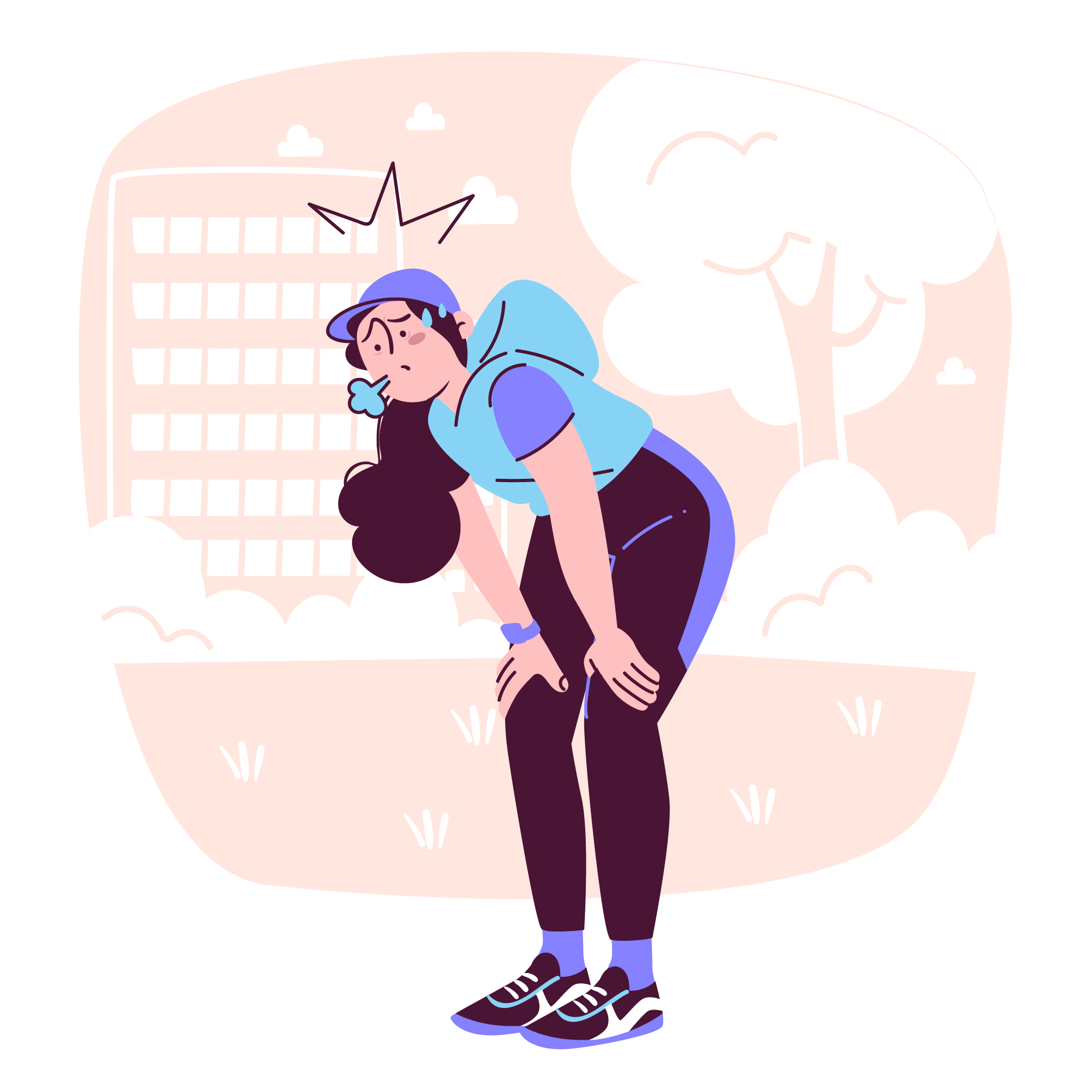
Exercise is extremely good for you! But if you are exercising at high intensity and undereating, that will put you of losing your period. Due to the energy deficiency, one of your organs has shut down (reproductive system) to conserve and operate your other essential organs.
The Link Between Exercise and HA
How Intense Exercise Impacts Hormones
Stress-response mode is activated when you are over-exercising and undereating. Your body is in a fight-or-flight zone, suppressing your reproductive hormones, which is why you have an absent period or no period.
Cortisol & Energy Deficit
Cortisol (stress hormone) increases when you do high-intensity workouts. High levels of cortisol will make your body think you are in a dangerous state, unable to be fertile since you can’t even take are of yourself.
Red Flags to Watch Out For
- No period for 3+ months (or irregular cycles)
- Feeling tired after workouts instead of energized
- Anxiety around rest days or eating more
- Injuries, poor recovery, or frequent illness
- Obsession with calorie tracking or exercise routines
Is Total Rest Required? Not Always.
Why Complete Rest
Stopping your exercise routine can be an easy way to reset the hormonal system. With less exercise, there’s less cortisol, which means more estrogen! Full rest for some people is the fastest way to recovery.
Other methods
However, simply reducing your exercise will cause the same results for some people. Therefore, you don’t HAVE TO stop exercising as long as you reduce a good amount of it.
What to do
- Walking
- Yoga
- Stretching & Mobility Work
- Light Cycling

What to Avoid
- HIIT (High-Intensity Interval Training)
- Long-Distance Running
- Fasted Workouts
When Should You Avoid Exercise Completely?
- Undereating
- Feeling guilty for NOT exercising (bad relationship with exercise)
- Constant fatigue
- Eating disorder
- Injuries

The Benefits of Easing Off Exercise (Yes, Really)
- Hormonal Rebalance & Cortisol Reduction
- Protecting Your Bones
- Restoring Energy, Mood & Mental Clarity
Resources
- The HA Society: Intuitive Fitness for HA Recovery
- PMC: Dietary & Lifestyle Management of Functional HA
- Today’s Dietitian: Understanding HA
- Overcoming HA: A Holistic Recovery Guide
- Endocrine Society Clinical Practice Guidelines
Final Thoughts: You Are Not Broken
Stopping or exercising less doesn’t mean you are being “lazy” or “losing yourself”, it means that you are taking control of your body and know what is best for your current AND future health. You need to realize that more exercise does not mean you are healthier, but doing more harm.
I know this change is very mentally difficult, trust me, I felt the same way before. But restoring your health is top priority, and you are worth more than what a scale says.
Comments are closed